:
Hamas disarmament plan for Gaza brings cautious optimism despite significant political and security challenges ahead in peace negotiations.
Complex Path Forward for Gaza's Security Framework
Efforts to establish a Hamas disarmament Gaza initiative represent a pivotal moment in ongoing Middle Eastern peace discussions, though formidable obstacles persist. The proposed framework for dismantling militant infrastructure faces unprecedented complexity due to entrenched political dynamics, sustained military operations, mutual distrust among stakeholders, and the extensive humanitarian toll across the region.
Understanding the Disarmament Proposal
The Hamas disarmament Gaza plan seeks to address security concerns through a phased approach to weapons reduction and institutional restructuring. This initiative, while ambitious, acknowledges the fundamental requirement for verifiable mechanisms ensuring compliance from all participating parties. The proposal attempts to balance legitimate security interests with long-term stability objectives.
Political Obstacles in Implementation
Multiple political factions maintain competing interests that complicate negotiations surrounding Hamas disarmament Gaza efforts. Regional powers hold divergent strategic priorities, domestic political pressures influence decision-making processes, and historical grievances create substantial trust deficits. These interconnected challenges necessitate sophisticated diplomatic engagement across numerous state and non-state actors.
Military Realities on Ground
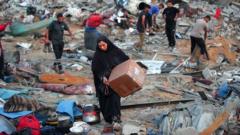
Current military situations dramatically impact the feasibility of any disarmament framework. Ongoing operations create uncertainty regarding participants' genuine commitment to peaceful resolution. The widespread destruction of critical infrastructure, loss of civilian lives, and displacement of populations intensify humanitarian concerns that must accompany security discussions. Military momentum and tactical advantages often incentivize continued conflict over negotiated settlement.
Trust Deficit Among Stakeholders
Fundamental zero-trust conditions pervade current negotiations. Previous failed agreements, accusations of bad faith, and allegations of ceasefire violations create formidable verification challenges. Establishing credible monitoring mechanisms requires institutional frameworks currently absent from the region. Independent verification bodies must command respect from all parties while maintaining operational neutrality.
Humanitarian Dimensions
Thousands of casualties, extensive civilian suffering, and systemic destruction of Gaza's physical and social infrastructure create urgent humanitarian imperatives. Any disarmament proposal must simultaneously address reconstruction needs, address accountability concerns, and establish protection mechanisms for vulnerable populations. These humanitarian considerations cannot be separated from security negotiations without risking comprehensive failure.
Sources of Cautious Hope
Despite formidable challenges, Hamas disarmament Gaza discussions represent meaningful progress on several fronts. International engagement reflects sustained diplomatic interest in peaceful resolution. The mere fact that structured proposals exist indicates recognition that military approaches alone cannot resolve fundamental conflicts. Parties continue engagement despite setbacks, demonstrating persistent commitment to negotiated frameworks.
International Involvement and Support
External stakeholders including major powers, neighboring countries, and international organizations play crucial roles in facilitating negotiations. Their involvement brings both advantages and complications. International pressure can encourage compromise, yet competing interests among external actors sometimes complicate consensus-building. Sustained multilateral engagement remains essential for moving proposals toward implementation.
Long-term Stability Considerations
Successful implementation of any Hamas disarmament Gaza initiative requires vision extending beyond immediate security concerns. Addressing underlying grievances, establishing equitable governance structures, and creating economic opportunities provide foundations for durable peace. Short-term security agreements prove insufficient without comprehensive approaches addressing political, social, and economic dimensions of conflict.
Moving Forward with Realistic Expectations
Progress on Hamas disarmament Gaza matters significantly despite acknowledged difficulties. Incremental steps, confidence-building measures, and preliminary agreements may establish momentum toward comprehensive settlement. Recognizing obstacles frankly while maintaining commitment to peaceful resolution represents the only viable path forward for affected populations and international stakeholders alike.