British Airways Mayday Flight: Passenger's Account of In-Flight Terror
Passenger Edward Killiwick recounts the frightening moments aboard a British Airways mayday flight that made an emergency landing at Heathrow. Read the survivor...
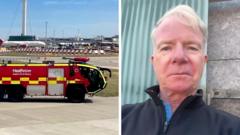
Survivor's Testimony from British Airways Mayday Emergency
A British Airways mayday flight that declared an in-flight emergency earlier this month has prompted one passenger to share the harrowing details of what occurred during the incident. Edward Killiwick, who was aboard the aircraft when the crew issued the distress declaration, has provided an account of the anxious moments that unfolded as the flight made its way toward Heathrow Airport in London.
Inside the Cabin During the Crisis
The atmosphere within the aircraft transformed rapidly when crew members began preparing passengers for an emergency scenario. Killiwick recalled the palpable tension that gripped both travelers and flight attendants as the British Airways mayday flight proceeded through its most critical phase. The passenger described hearing expressions of desperation from those around him, including anguished cries from fellow travelers who feared the worst possible outcome.
Among the voices that stood out, Killiwick distinctly remembered hearing a passenger exclaim, "I don't want to die," a stark reflection of the apprehension that consumed the cabin. These words encapsulated the genuine terror that many aboard the aircraft experienced as they braced themselves for what could have been a catastrophic event. The reality of the situation weighed heavily on everyone present.
The Emergency Procedures
As the British Airways mayday flight descended toward Heathrow, the flight crew executed emergency protocols with precision. Passengers were instructed to assume crash positions and prepare for a potential emergency landing scenario. The cabin crew maintained composure despite the severity of the situation, working systematically to ensure that all safety procedures were followed correctly.
Killiwick observed how the professionalism of the crew contrasted sharply with the fear that gripped passengers. While anxiety permeated the cabin, the flight attendants remained focused on their responsibilities, providing reassurance and guidance to those in their care. This dual atmosphere—crew calmness amid passenger panic—defined much of the experience during these critical moments.
Safe Arrival at Heathrow
Despite the severity of the emergency declaration, the aircraft successfully completed its approach and touched down at London Heathrow Airport without incident. The safe conclusion to the crisis provided immediate relief to all those aboard, though the emotional impact of the experience lingered long after the wheels made contact with the runway. The emergency landing was executed without complications, allowing the aircraft to taxi to its designated gate safely.
Reflecting on the Experience
Killiwick's account serves as a powerful reminder of how quickly routine air travel can transform into a life-threatening situation. The passenger's willingness to share his perspective has provided insight into the psychological impact of experiencing an aviation emergency from the perspective of those in the cabin. His testimony underscores the intense emotional toll that such incidents can have on travelers, regardless of how they ultimately resolve.
The incident involving this British Airways mayday flight has renewed discussions about aviation safety protocols and passenger communication during emergencies. While modern commercial aviation maintains an exceptional safety record, events like this remind travelers and aviation professionals alike of the importance of preparedness and proper emergency training.
Aviation Safety and Emergency Response
Commercial airlines, including British Airways, maintain rigorous safety standards and emergency response procedures. When a flight crew determines that an emergency condition exists, declaring a mayday signal is a critical step in ensuring that ground support services and emergency responders are adequately prepared for the aircraft's arrival. This communication protocol has proven essential in countless situations, enabling faster response times and better coordination among all parties involved in managing the emergency.
The crew's decision to declare the emergency through proper channels demonstrated adherence to established protocols designed to protect passenger safety. Every crew member involved in managing this British Airways mayday flight event contributed to ensuring that all available resources were mobilized to support the aircraft through its final descent and landing sequence.