Burnham Blames Conservative Legacy for UK Economy Vulnerability
Andy Burnham attributes economic weakness to Conservative policies in first PMQs clash with Kemi Badenoch as borrowing costs rise further.
Burnham's Critique of Conservative Economic Management
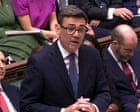
During his inaugural prime ministers' questions confrontation with Kemi Badenoch, Andy Burnham attributed the UK's economic fragility to the Conservative Party's long-standing policy failures. The Labour leader emphasized that the UK economy vulnerability stems directly from years of Tory governance, which left the nation exposed to financial market instability. As borrowing costs continued their upward trajectory, the confrontation highlighted stark disagreements over responsibility for the country's fiscal position.
The exchange marked a significant moment in Parliament, with Burnham pressing his argument that structural economic weaknesses created during the previous administration had rendered Britain susceptible to external shocks. His assertion that the UK economy vulnerability was a direct consequence of Conservative neglect formed the centerpiece of his parliamentary challenge to the new opposition leader.
The Comparison to Liz Truss's Mini-Budget Controversy
Badenoch drew parallels between current market pressures facing Burnham's government and the financial turbulence that followed Liz Truss's controversial mini-Budget in 2022. The Conservative leader used this historical reference to suggest continuity in economic mismanagement, attempting to shift blame away from her party's tenure. However, Burnham rejected this comparison outright, arguing that the circumstances were fundamentally different.
The Prime Minister contended that while Truss's policies represented active economic misadventure, the current challenges reflected the cumulative damage of Conservative inaction. Burnham stressed that the Conservatives' failure to generate sustainable economic growth and their mishandling of national debt had created conditions where the UK economy vulnerability could be exposed by market forces.
Rising Borrowing Costs and Market Concerns
As this political exchange unfolded, UK borrowing costs climbed further, raising immediate concerns about the government's financial position. The movement in gilts markets signalled investor anxieties about Britain's economic trajectory and fiscal sustainability. These rising costs represented a tangible manifestation of the vulnerabilities Burnham identified in his parliamentary intervention.
The timing of increased borrowing expenses during PMQs underscored the urgency of the economic debate. Labour's position emphasized that addressing the underlying structural weaknesses inherited from the previous administration was essential to stabilizing financial markets and restoring investor confidence in British economic management.
Conservative Legacy and Long-term Structural Problems
Burnham's argument rested on the assertion that the Conservatives had spent years neglecting fundamental economic challenges. Rather than implementing policies designed to boost productivity and sustainable growth, previous administrations had allowed debt levels to accumulate while missing opportunities for economic transformation. The Prime Minister characterized this approach as leaving the UK economy vulnerability at dangerous levels when external pressures inevitably emerged.
The critique extended beyond simple fiscal mismanagement to encompass broader concerns about industrial strategy, investment in critical infrastructure, and development of human capital. Burnham suggested that Conservative governance had failed to position Britain competitively within global markets, thereby amplifying the nation's exposure to market volatility and external economic shocks.
First PMQs Confrontation Between New Leaders
The encounter between Burnham and Badenoch carried particular significance as their first direct parliamentary clash. These early exchanges typically establish patterns of engagement and define how each leader approaches their respective roles. Badenoch's assumption of Conservative leadership placed her in the position of defending her party's record while Burnham pressed forward with Labour's explanations for current difficulties.
This inaugural PMQs session revealed different strategic approaches: Badenoch attempted to suggest continuity in economic problems across administrations, while Burnham sought to establish clear differentiation between his government's approach and what preceded it. The quality of their exchanges would likely influence broader public perception of both leaders' competence in addressing economic concerns.
Economic Vulnerability and Future Policy Implications
The discussion of UK economy vulnerability pointed toward broader policy questions about how the government would address inherited economic challenges. Burnham's position suggested that reversing Conservative-era policies and implementing new approaches would be essential to restoring stability. The rising borrowing costs lent urgency to these debates about economic direction.
Going forward, the government would need to demonstrate that its policies could address the structural weaknesses and vulnerabilities identified in parliamentary debate. Burnham's framing of inherited problems as the root cause of current difficulties established the narrative foundation for his administration's economic program. Whether markets would respond positively to Labour's proposed solutions remained to be determined, but the acknowledgment of serious underlying vulnerabilities represented an important step in honest economic assessment and potential recovery planning.