Dover Masked Protesters Return Risk Without Police Action
Far-right linked Patriot Platform threatens more Dover road blockades. Police inaction enables vigilante mobilization, warn campaigners and political figures.
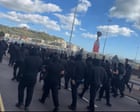
Threat of Renewed Disruption in Dover
Dover masked protesters represent an escalating security concern for local authorities and transport infrastructure. The organized blockade of critical roads at the Port of Dover has prompted serious warnings from elected officials and civil rights organizations about potential recurring incidents if law enforcement fails to enhance preventative measures.
Political leaders and advocacy groups have collectively emphasized that Dover masked protesters could mobilize again with greater frequency and scale. The coordinated nature of the initial demonstration underscores the organizational capacity of the groups behind these actions, suggesting capability for sustained operations unless decisive intervention occurs.
Patriot Platform and Far-Right Connections
The demonstration was claimed by Patriot Platform, an organized anti-immigration entity with documented associations to far-right ideological movements. The group maintains a public identity centered on nationalist rhetoric, positioning itself as defending territorial interests through direct action tactics.
According to analysis from Hope Not Hate, the organization's ability to mobilize participants at significant scale reflects broader concerns about police responsiveness and community intervention gaps. The founder of Hope Not Hate has publicly attributed the group's operational success to perceived institutional inaction, suggesting that current enforcement strategies lack adequate deterrent effect.
Police Response and Government Accountability
The Port of Dover incident has triggered substantial scrutiny of law enforcement protocols and resource allocation. Senior officers and government representatives face mounting pressure to demonstrate enhanced capacity for preventing similar disruptions that directly impact commercial operations, international freight transit, and public access to critical infrastructure.
The blockade disrupted essential transport pathways and created significant logistical complications for commercial interests dependent on Dover's port operations. These tangible consequences have intensified calls for stronger police deployment, intelligence-gathering operations, and preventative intervention frameworks.
Campaigners' Warnings on Future Mobilization
Civil rights activists warn that without demonstrable escalation in police intervention effectiveness, Patriot Platform and aligned organizations may interpret current enforcement levels as insufficient deterrent. The group's public positioning emphasizes ideological commitment and nationalist fervor, indicating organizational resilience and willingness to undertake repeated action.
Multiple political figures have echoed these concerns, noting that permitting such demonstrations to proceed without substantial immediate response may inadvertently encourage additional mobilization. The symbolic and practical success of the initial blockade could serve as validation for future similar actions, potentially establishing a pattern of escalating disruptions.
Broader Implications for Public Order
The Dover incident reflects wider tensions surrounding anti-immigration activism in the United Kingdom. Patriot Platform's emergence as an organized mobilization force illustrates the capacity for far-right linked groups to coordinate demonstrations around shared ideological positions, utilizing direct action tactics to generate media attention and political pressure.
Security analysts emphasize that responsive policing remains essential for preventing vigilante action from establishing precedent within local communities. The intersection of organizational capacity, ideological motivation, and perceived enforcement gaps creates conditions potentially favorable to recurring demonstrations.
Stakeholder Demands for Enhanced Action
Port operators, local residents, commercial transport entities, and political representatives have collectively demanded more robust police resource allocation specifically targeting prevention of future blockades. These stakeholders underscore that economic impacts and disruption to critical infrastructure justify enhanced preventative investment.
Hope Not Hate and allied organizations continue monitoring Patriot Platform's organizational activities, communications, and mobilization capacity. Their analysis suggests that the group maintains sustained recruitment and engagement mechanisms, indicating ongoing operational readiness for additional demonstrations.
The stakes for police response effectiveness have escalated significantly following the initial Dover blockade. Without demonstrable prevention capabilities, authorities risk emboldening similar groups and establishing patterns of disruption that become increasingly difficult to counter. Political pressure continues mounting for concrete security measures that prevent recurrence of Dover masked protesters incidents and establish deterrent effect against future far-right linked demonstrations.