Funeral Home Director Sentenced to 20 Years Over Unburied Bodies and False Cremations
Funeral home owner Robert Bush jailed 20 years for failing to bury bodies and cremating remains improperly. Sentenced for deceiving grieving families with stran...
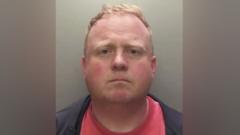
Funeral Home Director Sentenced to Two Decades in Prison
A prominent funeral home director has been convicted and sentenced to 20 years in federal prison following a sweeping criminal investigation that exposed systematic failures in handling deceased individuals and their cremated remains. The funeral home director's conviction represents one of the most significant cases involving the mistreatment of human remains in recent years, highlighting serious lapses in oversight and regulation within the funeral services industry.
The Scope of Criminal Operations
Robert Bush, the operator of the facility, orchestrated a fraudulent scheme that extended far beyond simple negligence. Authorities discovered that the funeral home director failed to properly bury numerous bodies entrusted to his care by grieving families. Additionally, the investigation revealed that Bush engaged in the unauthorized cremation of deceased individuals without proper authorization from next of kin, compounding the emotional and spiritual harm inflicted on bereaved relatives.
False Ashes Distributed to Families
Among the most disturbing findings was the discovery that the funeral home director provided grieving families with cremated remains that did not belong to their loved ones. In numerous instances, relatives received ashes of complete strangers, believing they were returning their family members to final resting places. This deception not only violated the families' trust but also disrupted religious and cultural rituals that hold profound meaning in the mourning process. Families who had already endured the loss of their loved ones were forced to confront the additional trauma of learning they had been given incorrect remains.
Investigation and Evidence
The investigation into the funeral home director's criminal enterprise began following complaints from multiple families who grew suspicious when their loved ones' final arrangements were inexplicably delayed. As authorities deepened their examination, they uncovered a pattern of deception spanning several years. Bodies were found improperly stored, documentation was falsified, and proper procedures for cremation were systematically ignored.
Forensic investigators worked to match remains with their rightful families, a process that proved emotionally challenging and technically complex. The discovery that families had been given incorrect ashes only intensified the gravity of the charges against Bush and demonstrated the deliberate nature of his fraudulent operations.
Impact on Bereaved Families
The criminal actions of the funeral home director left dozens of families devastated and searching for answers. Beyond the immediate emotional trauma of losing loved ones, these families were forced to grapple with the horrifying realization that their relatives' remains had been mishandled or lost entirely. For many, the funeral home director's crimes violated sacred trust during their most vulnerable moments.
The case has prompted many families to file civil lawsuits seeking compensation for emotional distress and the costs associated with locating and properly laying their loved ones to rest. Support organizations have also mobilized to assist affected families in navigating the legal and emotional aftermath of the scandal.
Regulatory Implications and Industry Response
The conviction of the funeral home director has sparked renewed calls for stricter oversight of the funeral services industry. Currently, regulations vary significantly by state, and critics argue that inadequate enforcement allowed the funeral home director to operate undetected for far too long. Consumer protection advocates are pushing for mandatory audits, increased transparency in cremation procedures, and enhanced penalties for funeral service providers who violate ethical standards.
Industry organizations have condemned the funeral home director's actions as a serious breach of professional responsibility. The case serves as a stark reminder that families placing their trust in funeral homes require robust protections and accountability mechanisms to ensure that deceased loved ones are treated with dignity and respect.
Sentencing and Future Proceedings
The 20-year prison sentence handed down to the funeral home director reflects the severity of his crimes and the extensive harm he caused. The court determined that the systematic nature of his deceptions, combined with the emotional and spiritual damage inflicted on families, warranted a substantial prison term. Additional civil litigation is expected to continue as affected families seek justice and compensation for their losses.